
Steamed Japanese Rice, Japan's Everyday Staple
◆ Category
Rice Dishes
◆ Flavor
Light
◆ Main Ingredients
Rice
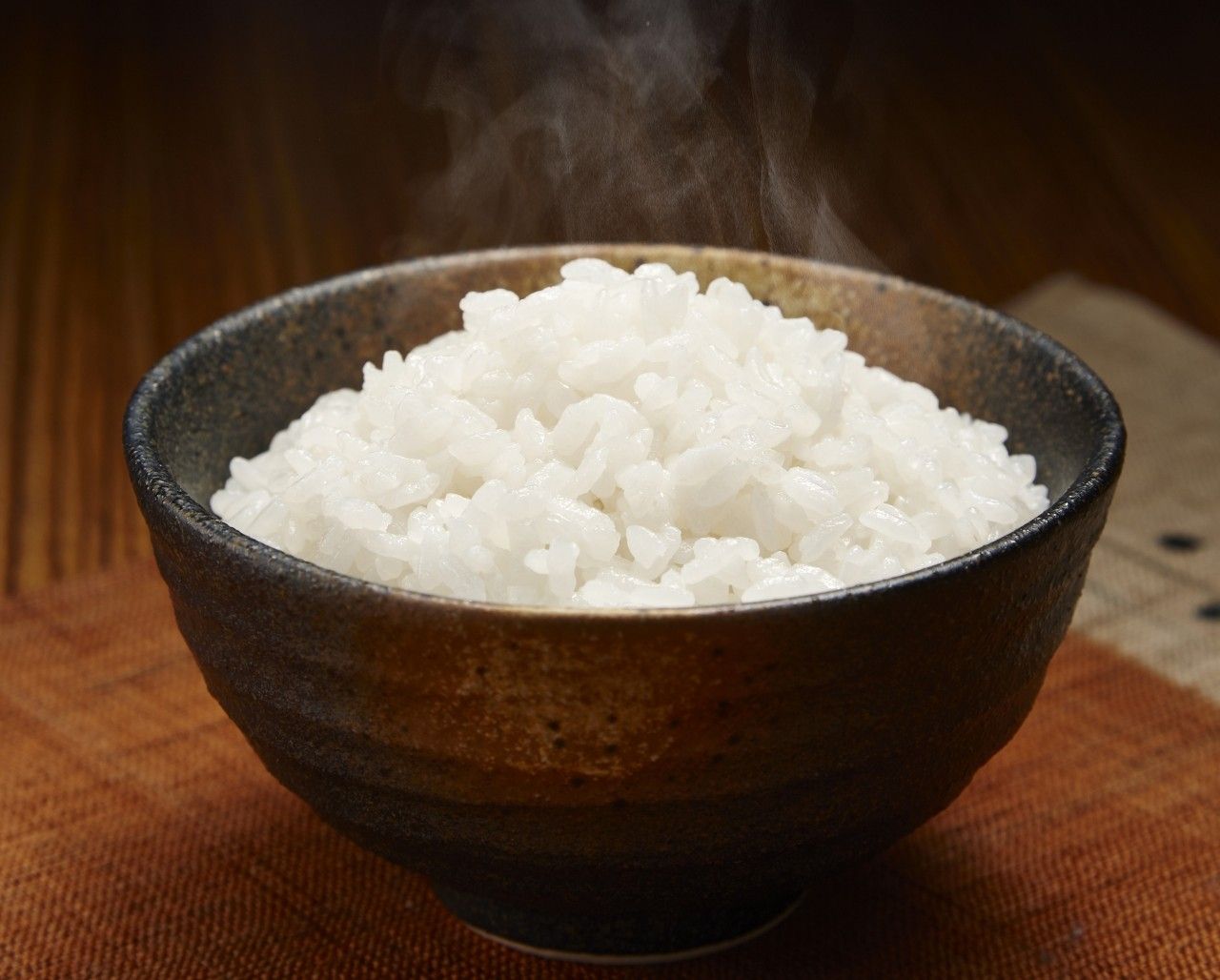
Cooked rice — the foundation of the Japanese meal. The rice grown in Japan is mainly short-grain varieties, round, sticky, and glossy, with a soft, springy texture that's distinctly its own. In traditional Japanese eating, rice appeared at every meal — breakfast, lunch, and dinner — without question. The ultimate Japanese soul food. In the traditional Japanese meal structure, rice was always the main event. The fish, vegetables, and other dishes — okazu (おかず) — developed as flavorful accompaniments designed to make white rice even more satisfying to eat. That dynamic shows up in how Japanese people actually eat: pick up a little okazu with chopsticks, place it briefly on top of the rice before bringing it to your mouth, and the sauce or juices soak into the grains — a small move that changes the flavor completely. Alternating between rice and okazu, or combining them in one bite, lets you enjoy both the natural sweetness of the rice and the savory depth of the dish at the same time. The Japanese word gohan (ご飯) means both "rice" and "meal" — they're essentially the same thing in the language. Kaa-chan's son asks every single day: "What's gohan today?" — meaning not just rice, but what's for dinner. Rice in Japan also comes in distinct branded varieties — Koshihikari, Akita Komachi, Yume Pirika, Tsuyahime — each with its own character, stickiness, and flavor depending on where it's grown. That said, with bread, noodles, and other options now part of everyday life, the amount of rice the average Japanese person eats has fallen to less than half of what it was at its peak in the 1960s. The number of rice farmers has been declining steadily ever since — something Kaa-chan finds genuinely worth paying attention to.
お米を炊いた、日本の食事の土台となる存在だよ。日本で栽培されているお米は、丸みがあって粘り気とツヤのある品種が中心で、ふっくらもちもちとした食感が特徴なの。伝統的な和食では、朝・昼・晩の3食、基本的に毎回ご飯を食べる生活が当たり前だった、まさに日本人のソウルフードなんだよね。もともと日本の食事は「ご飯」が主役で、魚や野菜で作る「おかず」は、白いご飯をたくさん食べるための、いわば味付けの濃い"脇役"として発達してきたと言われているの。食べ方にもそれが表れていて、箸でおかずを少し取ってご飯の上にちょんとのせてから口に運ぶと、おかずのタレや汁気がご飯にしみ込んで、また違った美味しさになるんだよね。ご飯とおかずを交互に、または一緒に食べることで、お米の甘みとおかずの旨みの両方を楽しめるの。日本語で「ご飯を食べる」というと、お米だけじゃなく食事全体を指すことも多くて、母ちゃんの息子は毎日「今日のごはんは何?」って聞いてくるんだけど、これも「今日の食事は何?」っていう意味で使っているんだよね。お米にも銘柄があって、コシヒカリ、あきたこまち、ゆめぴりか、つや姫など、産地ごとに味や粘り気の違うブランド米がたくさんあるの。ただ最近は、パンや麺類など食の選択肢が増えたことで、日本人一人あたりが食べるお米の量は、1960年代のピーク時と比べると半分以下にまで減っているとも言われていて、それに伴ってお米を作る農家さんの数も減り続けているのが実情なんだよね。
