Japanese Beer Guide — Why Beer Lovers Need to Try It in Japan
Japanese beer goes way beyond what you'd expect — perfect foam, freshness-obsessed culture, and a craft scene that's still evolving.
Maybe you've already tasted it — and found yourself thinking, what is that flavor?
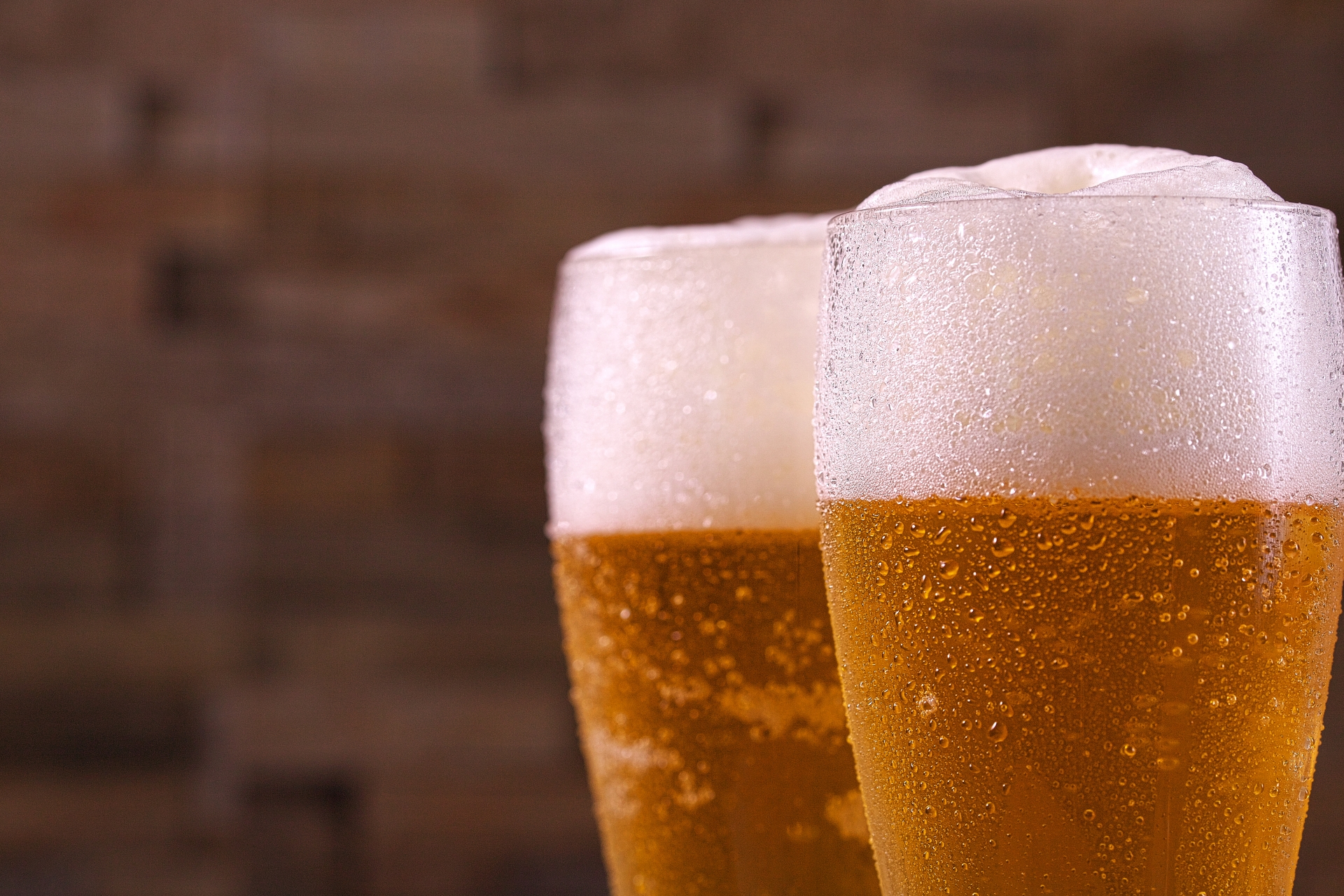
If you're visiting Japan, please drink the beer!!
"I came all the way to Japan — why would I drink beer?" Fair question.
But Japanese beer is genuinely, seriously good. Beer culture came from Germany — and in Japanese hands, it's been carefully developed into something entirely its own.
The big brewery brands, the craft beers, the small neighborhood breweries — all of it is made with real care. That care comes through in the glass.
If you love beer, this one's especially for you.
Why Japanese Beer Is Worth Your Attention
What makes Japanese beer good isn't just the taste.
When pouring draft beer, Japanese bars obsess over the foam. The balance of fine white foam and golden beer is everything — some places even hold competitions for the perfect pour. The foam acts as a lid, sealing in the umami of the beer, so drinking it before the foam collapses is the goal.
Freshness matters too. At convenience stores and supermarkets, the cans at the front of the shelf tend to be older — the newer stock goes to the back. There are people who specifically reach to the back for the freshest can. That's how seriously freshness is taken.
Serving temperature too. Chilled mugs, cold glasses — no shortcuts on the details. Once the foam is gone and the beer goes warm, Kaa-chan loses interest entirely. 😄
The Major Breweries — and Their Many Brands
Japan has four major beer companies: Kirin, Asahi, Sapporo, and Suntory.
You might assume the company name and the beer brand are the same thing — like Guinness. But each of Japan's big four runs multiple brands. Kaa-chan looked it up and was surprised how many there are.
Kirin(キリン)
From what Kaa-chan looked up, the most famous is Kirin Ichiban Shibori — the name literally refers to the first press of the wort, and the brewing method is right there in the product name. There's also Kirin Lager (a long-established classic) and Kirin Classic Lager. Kaa-chan drinks Ichiban Shibori often. Clean and easy to drink.
Asahi(アサヒ)
Asahi Super Dry is probably the most internationally recognized Japanese beer. Dry, sharp, and consistently popular in Japan for decades. There's also Asahi Namabiiru — nicknamed "Maru-F," a beer that was discontinued and then revived, apparently popular again — and Asahi Premium Jukusen, among others.
Sapporo(サッポロ)
Sapporo Black Label is the flagship brand. Originally from Hokkaido — and from Kaa-chan's impression, clean but with a touch more depth than the others. Yebisu beer is actually a Sapporo brand too — a slightly more refined option you'll often see at restaurants. There's also Sapporo Classic, available only in Hokkaido, which has become one of the quiet pleasures of traveling there.
Suntory(サントリー)
The Premium Malt's is the signature brand. Coming from Suntory — better known for whisky — it has a slightly premium feel. From what Kaa-chan read, it uses European-grown hops. For ale fans, The Premium Malt's Kaoru Ale is apparently popular. They also have a brand called Tokyo Craft.
Draft, Bottle, or Can — Does It Matter?
Honestly? Kaa-chan thinks all three are delicious. But serious beer drinkers often say bottle is best.
Draft Beer(生ビール)
Poured directly from the tank. At its freshest — and the foam is part of the experience, perfected at the bar. This is what "toriaezu nama!" is all about.
Bottle Beer(瓶ビール)
The dark brown glass keeps light out, slowing oxidation. Apparently the flavor stays more stable than canned — which is why beer fans tend to prefer it. Often available at restaurants and izakayas.
Canned Beer(缶ビール)
Easy to grab at any convenience store or supermarket. Manufacturing has improved so much that canned beer is now genuinely great — more than good enough for drinking at home.
Out at a bar or restaurant: draft or bottle. At a hotel or home: can. That's the general approach!
Lager, Ale, and the Craft Beer Boom
For a long time, Japanese beer meant lager.
Lager is fermented slowly at low temperatures. Clean, neutral, goes with anything. For a long time, Kaa-chan thought that's just what beer was — and only ever drank lager.
The Craft Beer Revolution
The turning point was a 1994 deregulation. From what Kaa-chan looked up, production quantity requirements were relaxed, allowing small-scale breweries to make beer for the first time. Apparently that opened the floodgates. Japan's craft beer scene has been growing steadily ever since.
Ales have grown with it. Ale is fermented at warmer temperatures — and the character is completely different from lager. Fruity, or intensely bitter, or richly aromatic — it varies a lot. Apparently some people who thought they didn't like beer have tried ale and changed their minds entirely.
Local Breweries Are Everywhere Now
Even within Tokyo, small breweries have multiplied. Brew it yourself, serve it yourself — that kind of place is everywhere now. There's one near Kaa-chan's house, and bringing a container to fill up has become a recent routine. The sansho pepper and citrus beer is a particular favorite.
Seeking out a local brewery wherever you travel is one of the great pleasures of drinking beer in Japan.
About the Cheaper Cans
One thing worth knowing!
At convenience stores and supermarkets, you'll notice some cans that are noticeably cheaper than the rest.
These are called happoshu or "third-category beer" — beer-style drinks made with a lower malt ratio to keep costs down. Perfectly reasonable for everyday home drinking, and popular for that reason. But the taste is different from 100% malt beer. Kaa-chan's honest feeling: you're in Japan, so start with the real thing.
Even draft beer at some restaurants may be happoshu rather than real beer. If it matters to you, ask the staff — or use the price as a guide.
※ A note: tax reform is set to unify the rates for beer, happoshu, and third-category beer. Since the price advantage will disappear, some manufacturers are already discontinuing their third-category lines and relaunching as proper beer. This distinction may disappear entirely in the near future.
Kaa-chan's Beer Story
Kaa-chan loves beer.
It's fair to say Kaa-chan grew up on lager. (※ The legal drinking age in Japan is 20.)
The turning point was Yona Yona Ale — a craft beer made by Yo-Ho Brewing, based in Karuizawa, Nagano. The first time Kaa-chan tried it: "Beer can smell like this?!" It was a genuine surprise.
These days it's mainstream enough to buy by the case at supermarkets.
After that, ales became part of the routine, craft beer bars became an adventure — and without quite realizing it, Kaa-chan's beer world got a lot bigger.
Now in summer, Kaa-chan naturally reaches for something pale and crisp. In winter, something darker. Not a conscious choice — the body just knows. Both are good, so either works!!
More small breweries in Tokyo, more places serving craft beer. A genuinely happy development.
When you're in Japan, try as many beers as you can. Compare, discover, enjoy!!
— Mogu Mogu Kaa-chan
A Japanese mom who discovered ale late in life — and has never looked back.