Shoyu — What Is Japanese Soy Sauce and How to Use It
The seasoning behind almost every Japanese dish. Types, regional flavors, and easy recipes to start with.
Some links in this article are affiliate links. If you purchase through them, Kaa-chan may earn a small commission — at no extra cost to you.
Maybe you've already tasted it — and found yourself thinking, what is that flavor?
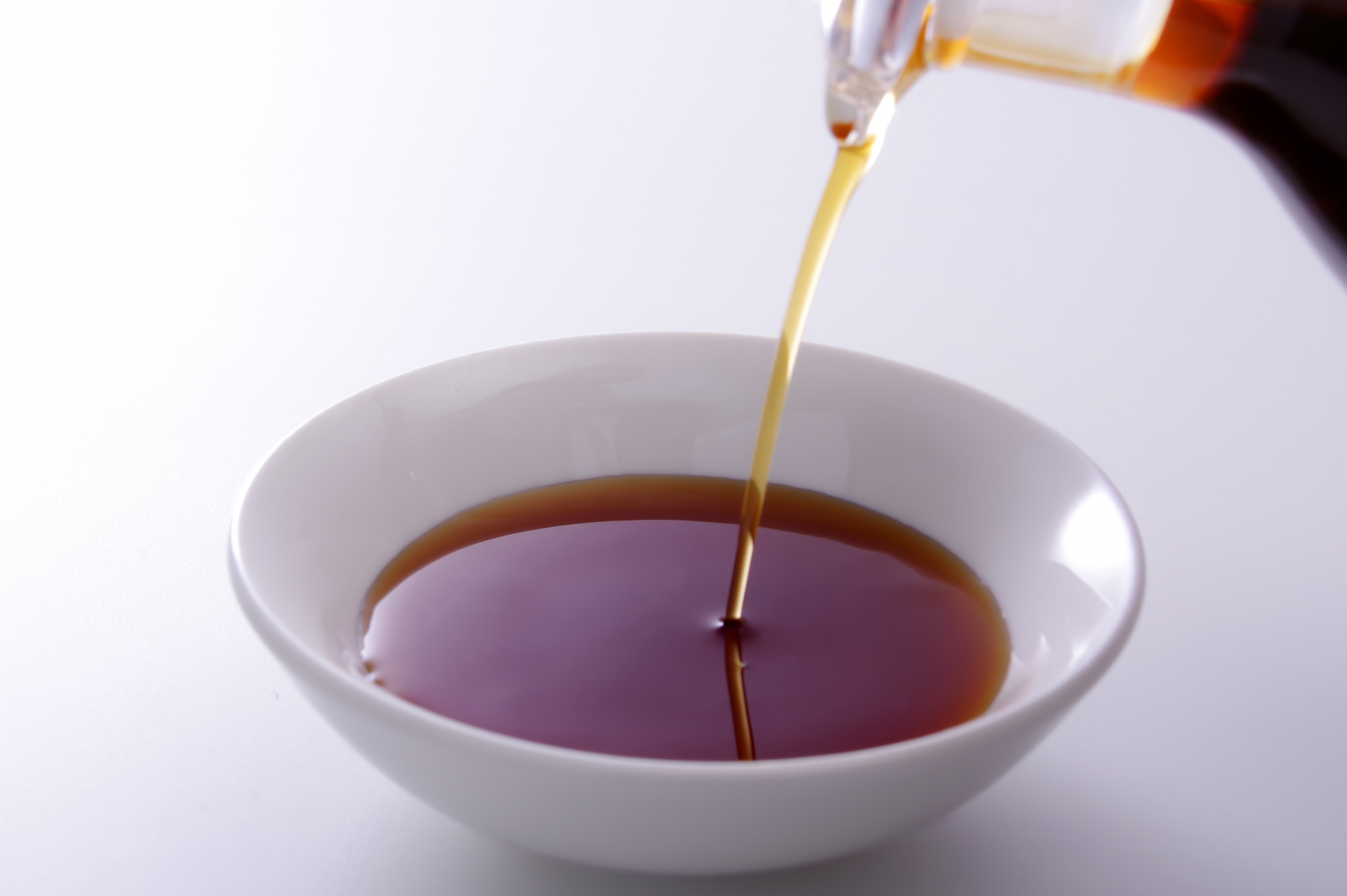
When you eat Japanese food — or see it in photos or videos — have you ever noticed a small dish of dark brown liquid on the side?
That's soy sauce — shoyu in Japanese. It's involved in almost every dish in Japanese cuisine.
Once you understand soy sauce, the way Japanese food is built starts to make sense. This is a good place to start.
What Is Soy Sauce, Really?
Soy sauce is a fermented seasoning made from soybeans, wheat, and salt.
"Fermented" might sound complicated, but the idea is simple — it's about drawing out umami slowly over time. Same family as cheese and wine.
The color is deep brown. The flavor has layers — saltiness, umami, sweetness, all at once. It's not just salty. Like dashi, soy sauce also carries umami.
From what Kaa-chan has seen, there's probably not a Japanese home kitchen without soy sauce. That's how foundational it is.
The Types of Soy Sauce — and the Regions Behind Them
Soy sauce isn't just one thing. The style and flavor vary quite a bit by region.
This actually got Kaa-chan curious — Kaa-chan's husband is from Kyushu, and he used to say "Tokyo soy sauce is too sharp." So Kaa-chan looked into it.
Koikuchi(濃口しょうゆ)— Kanto and Nationwide
The most widely used soy sauce in Japan. If something is labeled simply "soy sauce" at a supermarket, it's almost certainly this.
Deep color, strong aroma, well-balanced umami. Versatile enough for simmered dishes, grilled dishes, and dipping sauces. When people say "the taste of soy sauce," this is usually what they mean — and it's spread nationwide from Kanto outward.
Usukuchi(薄口しょうゆ)— Kansai
The go-to soy sauce in Kansai cooking — Osaka and Kyoto in particular.
"Usukuchi" means light-colored — but the salt content is actually higher than koikuchi. It's designed for dishes where you want the ingredients' natural colors to come through. The interesting thing: light-colored doesn't mean light-flavored.
Tamari(たまりしょうゆ)— Tokai
Rooted in the Tokai region around Nagoya. Made almost entirely from soybeans with little to no wheat — the result is very dark, slightly thick, and rich in umami.
Pairs exceptionally well with sashimi and sushi, and works beautifully in sweet-savory dishes like unagi sauce. Many tamari products are gluten-free — check the label if that matters to you.
A Regional Side Note Worth Knowing
These don't fit neatly into the types above, but they're interesting to know.
In Kyushu — particularly Kagoshima, Kumamoto, and Fukuoka — soy sauce is often made sweeter, with added sugar or mirin-like sweetness. Dip sashimi in it, and that sweetness comes forward. Apparently many people from Kyushu find Kanto's koikuchi sharp and harsh by comparison. That was the mystery behind Kaa-chan's husband's "Tokyo soy sauce is too sharp" — solved! 😄
Tohoku is koikuchi territory, but from what Kaa-chan has read, colder regions tend toward saltier food cultures — so the soy sauce there is often on the bolder side.
And separately — Akita has its own tradition of shottsuru, a fish sauce made from fermented fish. A whole different world of umami, distinct from soy sauce.
Same word, "soy sauce" — but the character changes with the region. Try it in local dishes wherever you go. You might taste the difference.
Where You'll Taste Soy Sauce in Japan
While you're in Japan, soy sauce is guaranteed to be somewhere in your meal.
Sashimi and Sushi — dipped into a small dish of soy sauce. This might be the simplest and clearest way to taste soy sauce on its own.
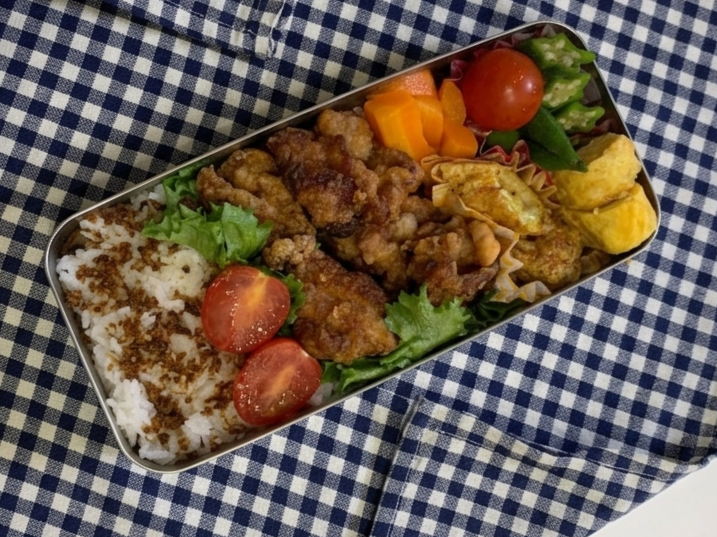
Yakitori and Karaage — soy sauce is in the marinade or the sauce. That smoky, savory aroma? That's what happens when soy sauce meets heat.
Ramen — in shoyu ramen, soy sauce is the star. The clear broth carries its umami all the way through.
Udon and Soba Broth — dashi combined with soy sauce and mirin. That golden color? That comes from the soy sauce.
The Small Dish on the Table — at many Japanese restaurants, a little dish of soy sauce appears beside your food. Try a tiny dip. Past the saltiness, there's a layer of umami and sweetness underneath. That's soy sauce.
Soy Sauce at Home — How to Start
Soy sauce is one of the easier Japanese seasonings to find outside Japan — most supermarkets carry it.
Kaa-chan's starting recommendation: Kikkoman. It's available worldwide, easy to find, and consistently good. One bottle is plenty to start exploring Japanese cooking.
Recipe 1: Japanese Soy Sauce Dressing(和風醤油ドレッシング)
Time: About 5 minutes
Seasoning: Soy sauce only
Ingredients (easy batch)
- 1 tbsp soy sauce
- 1 tbsp vinegar
- 2 tbsp olive oil
Instructions
Mix everything together. Pour over salad. Done.
Kaa-chan's Note
Want more depth? Swap the olive oil for sesame oil and add a little grated garlic. The flavor gets noticeably richer and more complex.
Recipe 2: Isobe Mochi(いそべもち)
Time: About 10 minutes
Seasoning: Soy sauce only
Ingredients (serves 2)
- 4 pieces of mochi (rice cake)
- 1 tbsp soy sauce
- 1 tbsp sugar
- Nori (dried seaweed), as needed
Instructions
Line a frying pan with aluminum foil and cook the mochi over medium heat. When the surface starts to puff up, flip. Once both sides have color and the mochi is plump, it's ready. If you prefer a softer texture, wait until it puffs up a bit more.
Mix the soy sauce and sugar to make the glaze. Coat the hot mochi immediately, then wrap with nori. Done.
Kaa-chan's Note
Sweet, salty, and satisfying — works as a snack or breakfast. Nothing complicated about it. But to Kaa-chan, this is soy sauce showing what it can really do.
👉Kirimochi on Amazon
👉Grilled Nori on Amazon
For Those Who Want to Go Deeper
Once Kikkoman feels familiar, there's a next step worth trying.
Kaa-chan's recommendation: Kishibori Shoyu. Made using traditional methods, additive-free. The aroma is in a different league. Open the bottle and the deep, fermented scent comes right out.
It's less of an everyday soy sauce and more of one to enjoy on its own — drizzled over sashimi or tofu, where the soy sauce itself can be the focus. Also makes a great gift for anyone who loves Japanese food.
👉Kikkoman Soy Sauce on Amazon
👉KISHIBORI SOY SAUCE on Amazon
— Mogu Mogu Kaa-chan
A Japanese mom who has a bottle of soy sauce within arm's reach at all times — in the kitchen, on the table, everywhere.